

How to Transition Your Home for Autumn: The Considered Approach

Most people add too much for autumn.
The instinct is understandable — the season changes and the home feels like it should respond. Darker objects arrive. Seasonal things appear on surfaces that were perfectly considered in June and have now been dressed for a month.
The NH approach is different. Autumn is not a decoration. It is a shift. The same surfaces, reconsidered. New objects chosen for what they do in this specific light — not for what they signal about the season.
Here is how I approach it, and the four pieces I chose for September.


BEGIN WITH THE OBJECT THAT HAS ALREADY LIVED SOMEWHERE
Before anything else, choose one piece that has a longer history than the season you are transitioning into.
The Lozi Bowl is that piece for September.
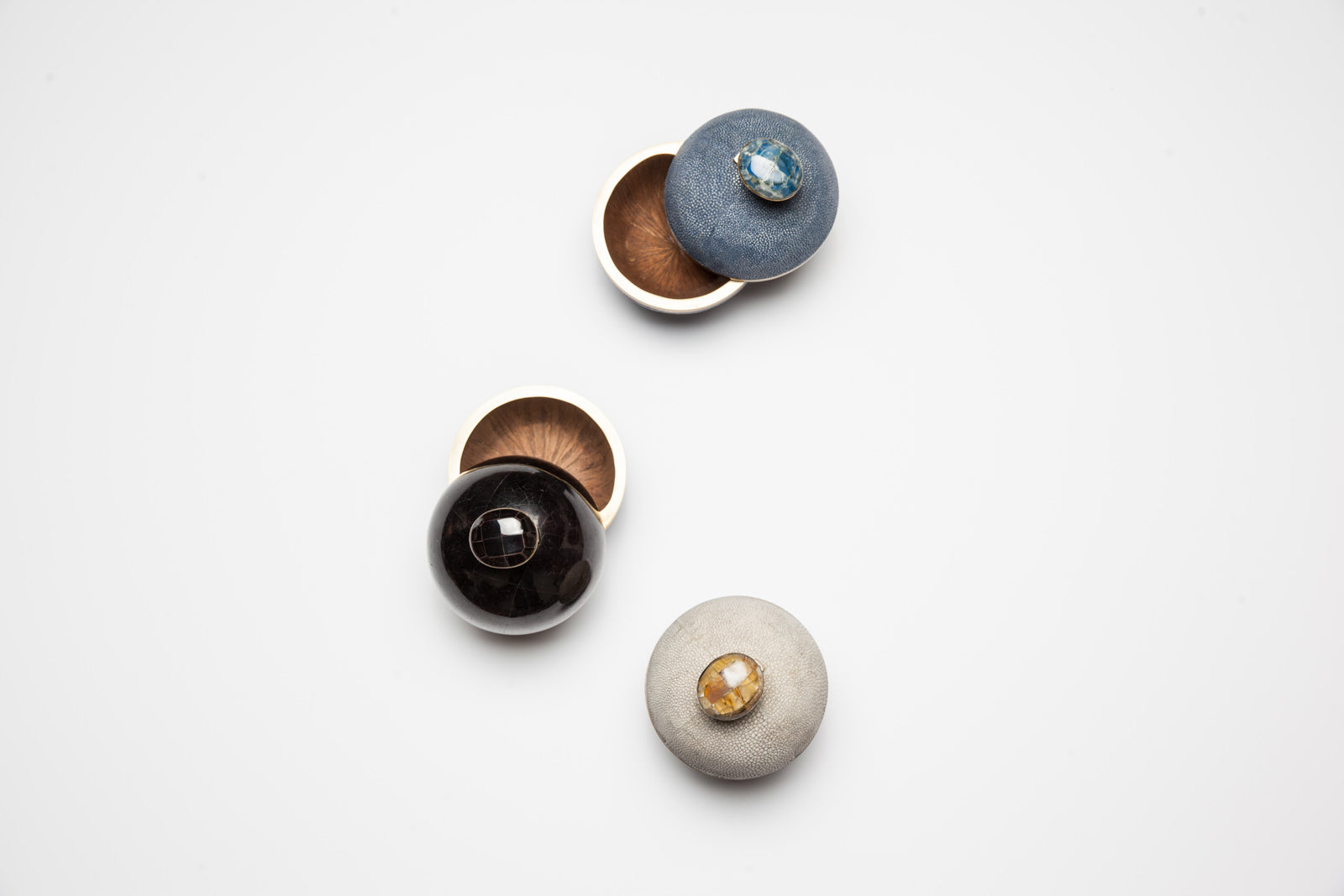
Hand-carved from hardwood by Lozi artisans of Zambia — a people renowned for their basketry, whose wooden work is rarer and sought by collectors worldwide — it carries a deep ebony tone and a domed lid that make it one of the most complete objects in the current NH collection. The round silhouette is self-contained. It needs nothing beside it to look deliberate. And it makes everything beside it look more deliberate by association.
It was once used in Lozi homes for storing grains. That function is part of its presence — the sense that this object has been held, carried, and placed with intention for longer than the home it now occupies has existed. Sourced via fair trade partners working directly with Southern African artisan communities, at £147 it is September's statement piece.
Place it at the back of the surface, slightly left of centre. Everything else arranged in conversation with it.
 .
.
WATCH THE LIGHT BEFORE YOU MOVE ANYTHING
September light in the UK arrives at a lower angle than summer. It comes through windows more obliquely, stays shorter, and has a quality that is cooler and more directional. Objects that read beautifully in the open brightness of July can look out of place in September. Objects that seemed too dark or too dense for summer suddenly make sense.
This is where the Placement principle begins for autumn. Not with new objects — with the light that has changed around the existing ones. South and west-facing surfaces gain a particular quality in September afternoon light. This is where dark, textured, weighted objects come into their own.
The Vintage Dark Pot No. 32 is exactly this kind of object. Hand-shaped from earthenware clay in South Africa in the 1950s and hand-sourced for this collection, its dark grey patina has been developing for seventy years. In September afternoon light, the tonal variations across the clay become visible in a way they are not in flat summer brightness. Place it beside the Lozi Bowl on the surface you watched the light find. The two objects from the same continent, made generations apart, create a material dialogue that neither produces alone.

INTRODUCE THE WEIGHT OF NATURAL STONE
The Black Marble Chain Link is the piece that gives the autumn surface its material contrast and its ground.
Hand-carved from solid black marble by artisans in Indonesia, each interlocked ring is 10 centimetres in diameter and the full piece weighs approximately ten kilograms. That weight communicates permanence. You place the Black Marble Chain Link on a surface and it settles there with a finality that lighter objects cannot achieve. It does not look placed. It looks as though it arrived and decided to stay.
The deep veining in the black marble reads differently in September light than in summer. The cooler, more directional light of autumn finds the subtle lustre in the marble surface and creates depth that direct summer light flattens. Coil it at the base of the Lozi Bowl and the Vintage Dark Pot — the dark stone creating material continuity with both dark wooden and dark ceramic pieces above it, without repeating either.

FRAME WHAT DESERVES TO BE FRAMED
The Glass Cloche is the piece that gives ceremony to whatever sits beside or beneath it.
Mouth-blown clear glass in three sizes — Small 10×15cm, Medium 16×20cm, Large 18×30cm. The bell-shaped form is transparent, which makes it do something active in a room rather than simply occupying a position. Place it over a lit candle and the flame becomes a display. Place it over a single stem and the stem becomes a specimen. Place it alone on a dark surface and its clarity creates material contrast against any dark or textured object nearby.
In the context of the September surface — the Lozi Bowl, the Vintage Dark Pot, the Black Marble Chain Link — the Glass Cloche is the one object that introduces transparency and light into an otherwise dark, weighted edit. The Contrast principle applied at the level of the entire surface: four objects, two dark and heavy, one cool and mineral, one clear and refractive. The eye resolves the tension by travelling between all four.
From £35 — the most accessible piece in the September edit and the one that does the most work in combination with everything around it.
WHAT AUTUMN DOESN'T NEED
Seasonal decoration with an expiry date.
The Lozi Bowl looks exactly as right in January as it does in September. The Vintage Dark Pot belongs on the same surface in March as it does now. The Black Marble Chain Link is a permanent decision, not a seasonal one. The Glass Cloche frames whatever sits beneath it in any month of the year.
These are not autumn decorations. They are permanent objects that happen to be exactly right for this season — and will remain right for every season after it.
Choose for the long view. September will take care of itself.
'SEE THE SEPTEMBER EDIT'


Comments