

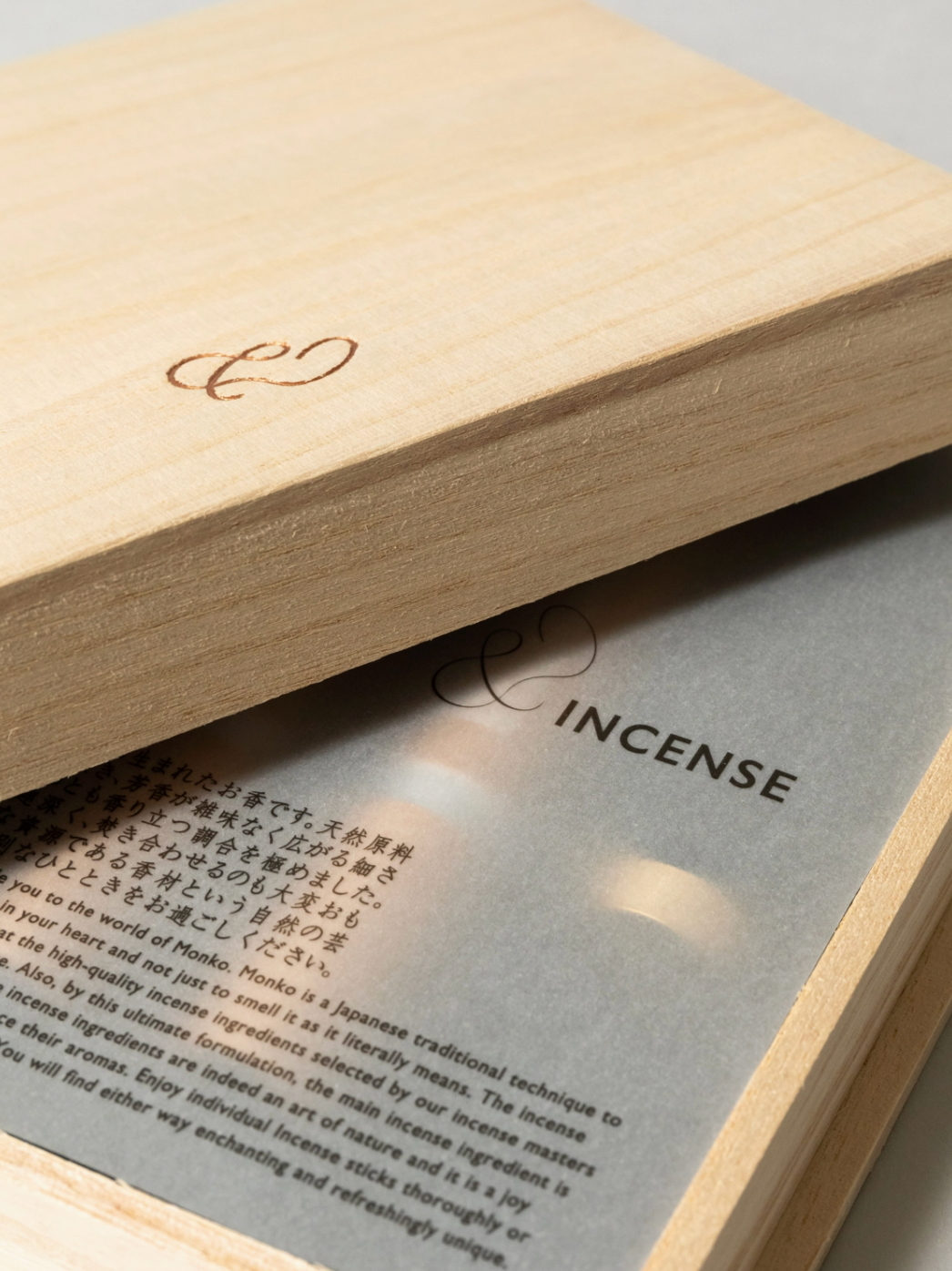
'How to Style a Considered Home for Spring'
Spring is the season most people get wrong.
The instinct, when the light changes, is to add. New cushions, fresh flowers, a brighter throw. A kind of domestic optimism that arrives with the longer evenings. I understand it. But in my experience, it's rarely what a room actually needs.
What spring asks for is different. Not more — clearer. The objects that earned their place in January don't necessarily earn it in April. The light has shifted, the weight of the season has lifted, and a considered home should respond to that. Not with a refresh, but with a rethink - This is how I approach it.
START WITH LIGHT, NOT OBJECTS
Before you move anything, spend a morning watching where the light lands.
Spring light in the UK arrives at a different angle to winter — lower in the morning, longer in the evening, and with a quality that's harder to name. It catches surfaces differently. Objects that looked grounded in February can look heavy in April. Objects you'd overlooked all winter suddenly have a reason to exist.
The Placement principle — one of the five principles behind every NH edit — begins here. Placement isn't about where an object fits. It's about where it belongs given the light, the season, and the surface it's sitting on. Spring changes all three of those things.
South-facing surfaces that were in shadow for most of winter now receive direct afternoon light. Windowsills that were too cold to style in January become the most considered spots in the room by April. Notice this before you touch anything.
THREE STYLING MOVES FOR SPRING
Once you've watched the light, three specific moves tend to make the biggest difference.
The Shelf
Winter shelves tend to be dense. We add to them in the colder months — books pulled forward, objects clustered for warmth. Spring is the moment to edit.
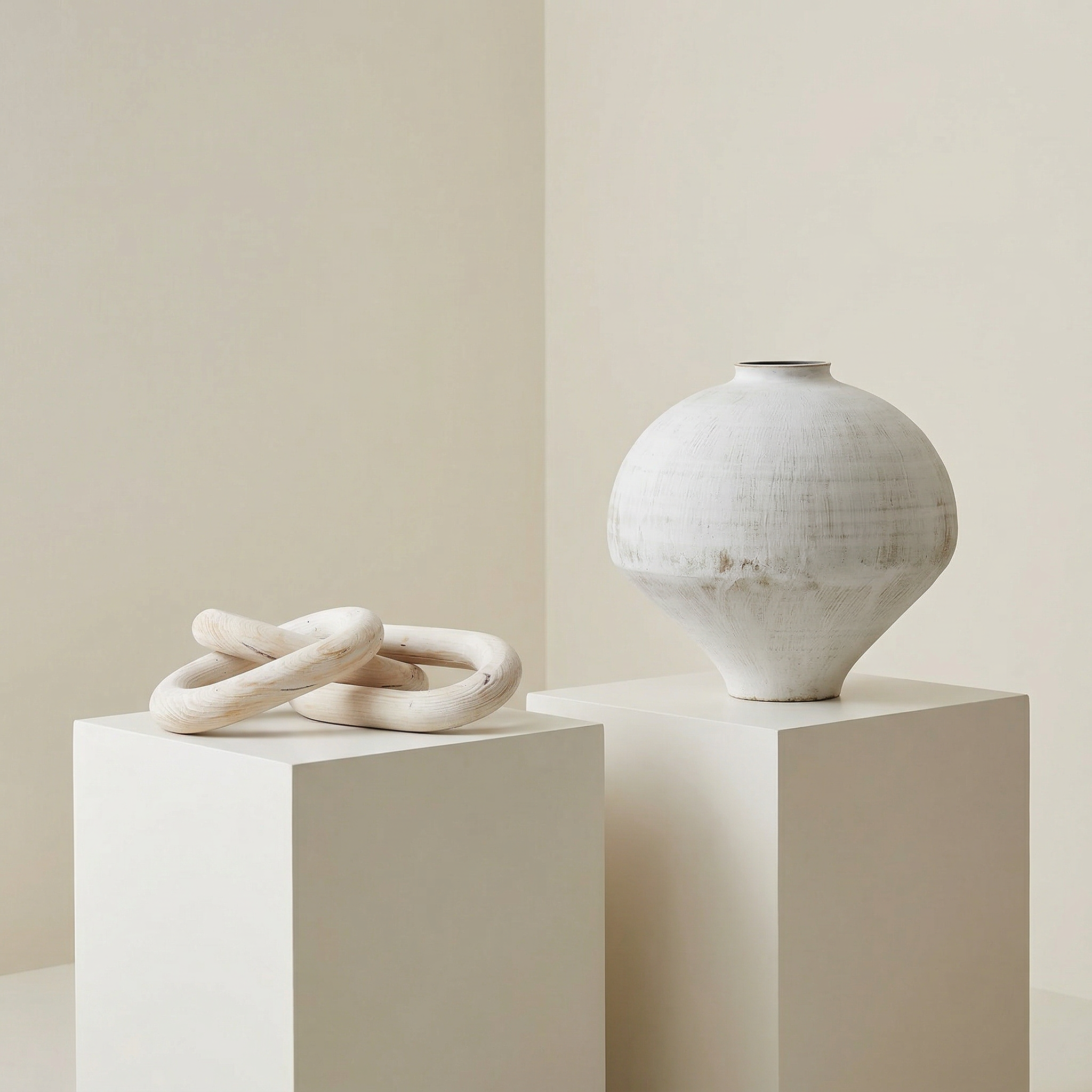
Remove two thirds of what's there. Then rebuild with three objects: something tall, something mid-height, and something flat. The eye needs a journey, not a destination. On our own shelves this season, I keep returning to the Pale Wood Chain Link — coiled at the base of a taller piece, it gives the surface an organic quality that no ceramic object quite replicates. The pale pine whitewash works particularly well in spring light. It doesn't compete. It settles.

The Dining Table
An empty dining table in spring is an opportunity most people miss. You don't need a centrepiece in the conventional sense — you need one object that holds the eye without demanding attention.
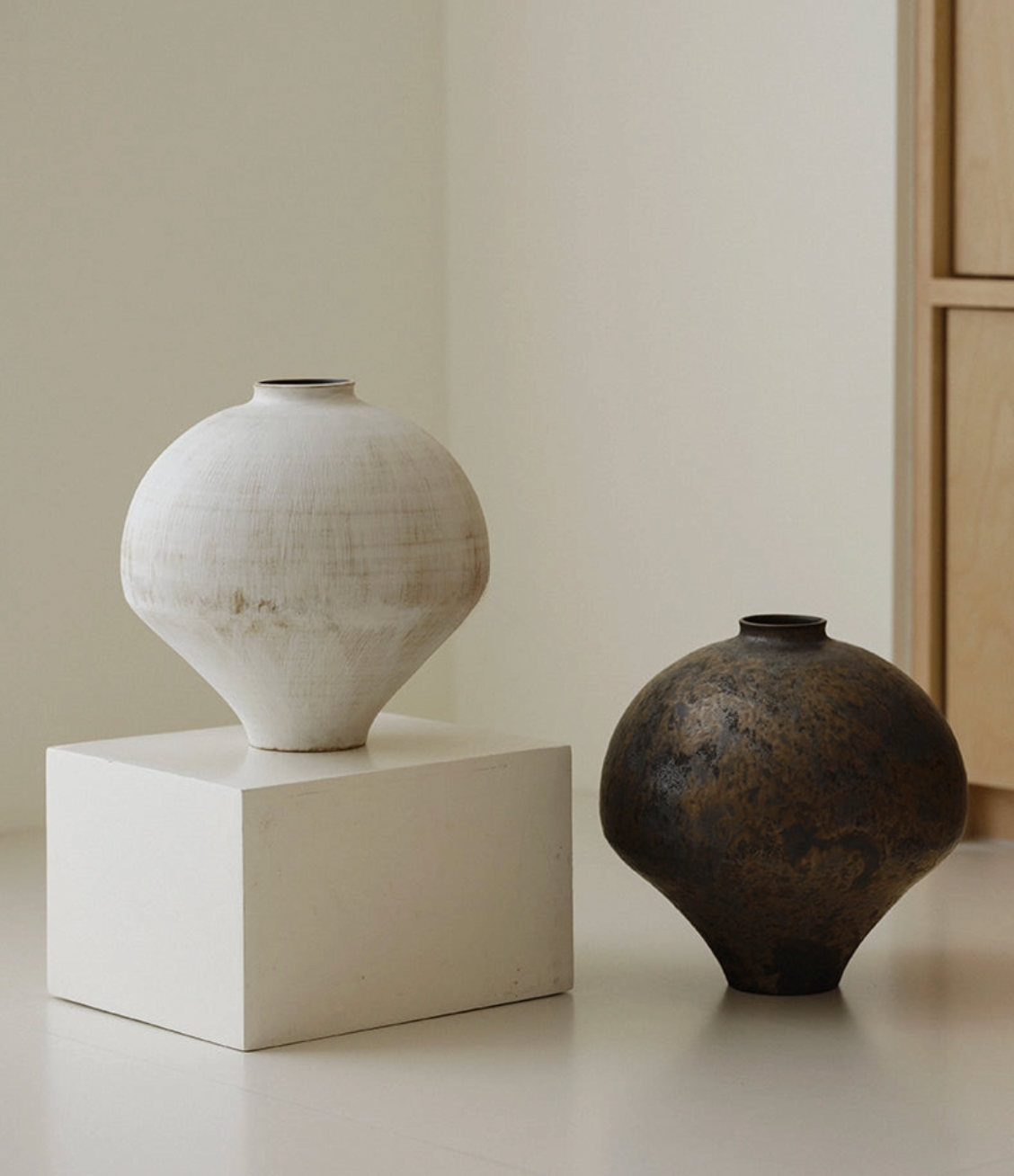
The Wabi Sabi Large Vase does this better than almost anything I've placed on a table. Empty — no stems, no arrangement — it is already complete. Its surface carries the marks of the hands that shaped it. The subtle tonal shifts from white to warm earth read differently in spring light than they do in winter. Place it slightly off-centre. Let the table breathe around it.

The Windowsill
This is the move most people overlook entirely.
A windowsill in April is the best-lit surface in most homes. It deserves something that responds to light rather than simply sitting in it. A crystal is the obvious answer — not because it's decorative, but because it's active. It does something in that position. The raw quartz pieces arriving from our Marrakech Collection are made for exactly this: the translucent interior catches the morning light in a way that changes through the day. Place one here and leave it. You'll find yourself noticing it at different hours.

How the same object changes through the day
This is the Moment principle, and it's the thing that separates a considered home from a styled one.
Every object has a time of day when it comes most alive. The Wabi Sabi vase at 7am — in cool, flat spring light — is quiet and sculptural. The same vase at 7pm, when the evening light comes through at an angle, takes on warmth it didn't have in the morning. The tonal shifts in the ceramic become visible. The form becomes more present.
The Pale Wood Chain Link behaves similarly. In morning light it's pale, almost washed out — a texture study more than a focal point. By evening it deepens, and the grain of the pine becomes something you want to look at.
This is why I style by moment, not by room. Before placing anything, I ask: when does this object come alive? What light is it made for? Put it in that position. Let the day do the rest.
What spring doesn't need
A note on what to resist.
Seasonal accessories — the kind designed to announce the time of year rather than survive it — are the opposite of a considered home. A spring wreath, a pastel candle holder, a floral print cushion: these objects have an expiry date built in. By May they look like you forgot to put them away.
The NH position on spring styling is the same as our position on every other season: choose objects that earn their place regardless of the month. Objects with a story, a material, a reason to exist that outlasts the occasion. When you style with permanence in mind, the season comes through naturally — in the light you allow in, in the placement you choose, in the moment you dress the surface for.
Spring doesn't need decorating. It needs one right thing placed well.



Comments